
 Pin
Pin
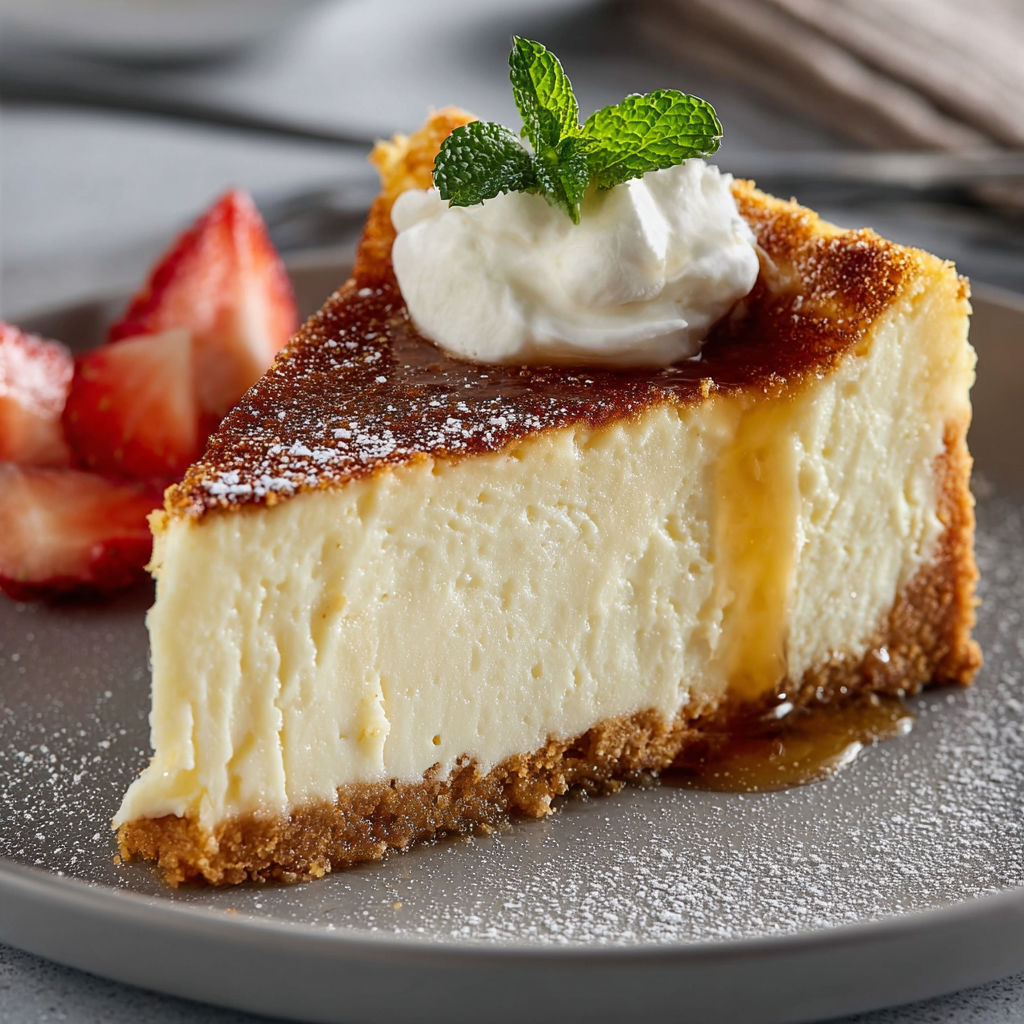
This old-world ricotta cheesecake recipe brings traditional Italian dessert making right into your kitchen, featuring authentic flavors and velvety, creamy texture in just 60 minutes from start to finish. Perfect for impressing guests at celebrations or enjoying a classic treat on any occasion, this ricotta cheesecake recipe showcases a beautifully airy filling and a cinnamon spiced crust that sets it apart from dense New York style cheesecakes.
My journey with ricotta cheesecake began at my husband's grandmother's home in Sicily where I learned her cherished recipe and authentic techniques. Through years of family celebrations and holiday dinners, this easy ricotta cheesecake has become our most requested dessert, loved for its cloudlike texture, subtle lemon notes, and the way it stands out among traditional cheesecakes. Each time I bake it, the aroma of cinnamon and citrus fills our kitchen, instantly bringing nostalgic Italian memories to life.
Gather Your Ingredients
- Zwieback, rusk, or plain biscotti crumbs: Traditional Italian cookies add depth and authenticity to the crust; substitute with gluten free cookies if needed
- Sugar: Regular granulated sugar works perfectly for sweetening both the crust and creamy filling; adjust slightly to taste
- Ground cinnamon: Ceylon cinnamon is ideal for a delicate spice note that highlights the aromatic crust
- Butter, softened: Unsalted butter allows for better flavor control and ensures the crust holds together beautifully
- Ricotta cheese (whole milk preferred): Whole milk ricotta delivers the creamiest, most luscious texture; drain if very wet, and use lactose free for dietary needs
- Half-and-half cream: Adds perfect richness; substitute with light cream or whole milk for a lighter option
- All-purpose flour: Helps stabilize the creamy filling; gluten free flour works for those with gluten sensitivity
- Fresh lemon juice and finely grated lemon zest: Use organic lemons for bright, clean citrus flavor that enhances the whole cake
- Salt: Just a pinch balances sweetness and deepens flavors throughout the filling
- Eggs, room temperature: Essential for proper blending; use large eggs and ensure they are at room temperature for smoothest results
- Sour cream (full fat): Gives the topping its signature tang and creamy finish; light sour cream can be used for lower fat
- Vanilla extract: Pure extract is best for deep, aromatic vanilla flavor in the topping
How to Make Old-World Ricotta Cheesecake
- Prepare the cinnamon crust:
- Combine zwieback, rusk, or biscotti crumbs with sugar and cinnamon in a mixing bowl, blending thoroughly for even spice distribution. Incorporate softened butter by hand until the mixture feels like damp sand that holds its shape when pressed. Press firmly into the base and one and a half inches up the sides of a greased nine inch springform pan, creating slightly higher edges and an even layer. Refrigerate at least thirty minutes to ensure a sturdy, sliceable crust.
- Get your oven and pan ready:
- Preheat oven to 325°F. Wrap the outside of the springform in a double layer of heavy duty foil, bringing it halfway up the sides to protect against leaks in the water bath. This method encourages even baking and prevents cracks in the cheesecake.
- Make the ricotta filling:
- Using an electric mixer, beat ricotta on medium speed for two to three minutes until completely smooth, eliminating all lumps. Add sugar, beat again until just incorporated and fluffy. Gradually pour in half-and-half, then sprinkle in flour, lemon juice, zest, and salt, mixing on low until just combined. Gently fold in lightly beaten eggs with a spatula, careful not to overmix, to insure an airy, crack free texture.
- Fill and bake:
- Pour the ricotta mixture into the chilled crust, spreading evenly. Set the foil wrapped pan inside a large roasting pan, then carefully pour hot water until it reaches halfway up the sides. Bake for 25 to 30 minutes, checking that the edges are set but center is still wobbly; aim for an internal temperature of 150°F for best results.
- Add the sour cream topping:
- While the cheesecake bakes, whisk sour cream, sugar, and vanilla until smooth. Once the cheesecake is done, remove and gently spread the topping starting at the center. Return to oven for another ten minutes to set and meld flavors.
- Cool and chill fully:
- Take cheesecake out of water bath and cool on a wire rack for two hours. Run a knife around the edge to prevent sticking. Refrigerate, uncovered, at least four hours (or overnight) for flavors and texture to mature before slicing.
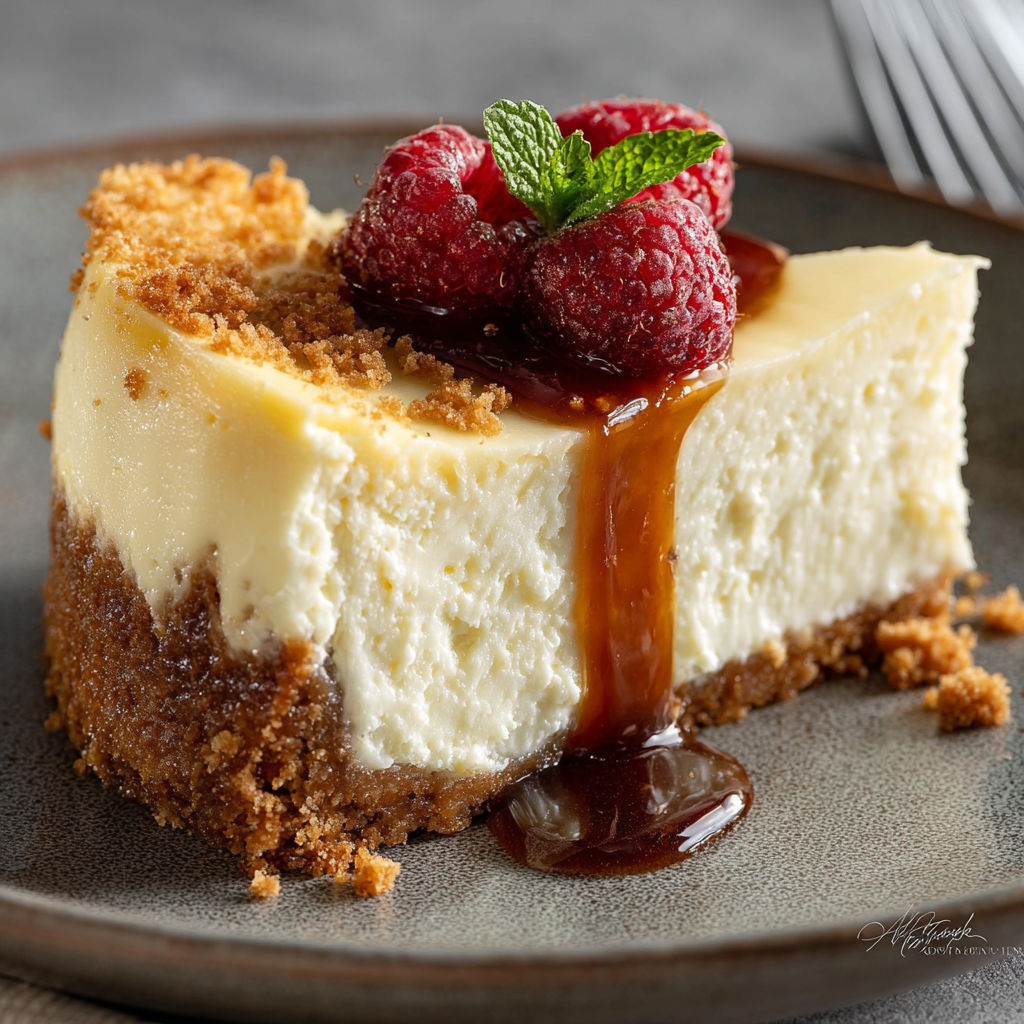
I discovered the true magic of ricotta cheesecake while preparing for my grandmother's 90th birthday party, searching for a dessert that was light, celebratory, and not too heavy after a rich Italian meal. The creamy ricotta filling and aromatic crust won over every generation at the table, and soon became a beloved family staple that guests now request for all our biggest milestones.
Smart Swaps and Variations
This recipe is highly adaptable so you can create your own signature version of old world ricotta cheesecake based on what you have or personal taste. For a true Sicilian flair, add finely chopped candied orange peel or splash of amaretto liqueur to the filling. Substitute half the ricotta with mascarpone for a creamier Lombard style variation, or stir in mini chocolate chips for those who love a chocolate twist. If you require gluten free, swap the traditional crust with gluten free cookies or biscotti. Even a lower fat version is possible with light ricotta and sour cream, or go lactose free using lactose free dairy products for easy digestion.
How to Store and Reheat Ricotta Cheesecake
Store ricotta cheesecake tightly covered with plastic wrap or in an airtight container in the refrigerator for up to five days, allowing the flavors to further develop while keepings slices fresh. For longer storage, cool the cheesecake completely, remove from the springform pan, wrap thoroughly in two layers of plastic wrap followed by aluminum foil, and freeze for up to two months. When ready to serve, thaw overnight in the fridge, then bring to room temperature for thirty minutes for optimal creamy texture. Individual slices can also be frozen separately for future treats, just ensure they are tightly wrapped to avoid freezer burn.
What to Serve with Ricotta Cheesecake
Classic ricotta cheesecake truly shines with a seasonal berry compote or simple fresh fruit, adding a tart contrast to its gentle sweetness. For a Sicilian twist, drizzle with honey and sprinkle with chopped pistachios for elegant color and crunch, or serve with espresso or Vin Santo to complete an Italian meal. At brunch or special events, a dollop of lemon curd or candied citrus slices creates a bright and festive presentation that perfectly complements the cake’s soft, creamy filling.
Nutritional Benefits
While indulgent, old world ricotta cheesecake delivers more nutritional value than many typical desserts thanks to its protein rich ricotta cheese and calcium loaded dairy ingredients. The inclusion of lemon juice and zest adds a touch of vitamin C and antioxidants, making each satisfying slice a touch lighter in both taste and calorie count. With its balanced profile, you can enjoy a decently sized portion as an occasional treat, knowing it supplies about 500 calories, 11 grams of protein, and beneficial minerals per serving.
Recipe Success Tips
For flawless ricotta cheesecake, be sure to check for doneness with a gentle shake—the edges should be set but the center must still jiggle for perfect creamy consistency. If your ricotta is especially watery, drain it through cheesecloth for a few hours to avoid a runny batter. Use an instant read thermometer to confirm 150°F internal temperature and avoid overbaking, which can lead to cracks or dryness. Always allow slow cooling and chill thoroughly overnight to preserve both structure and flavor.
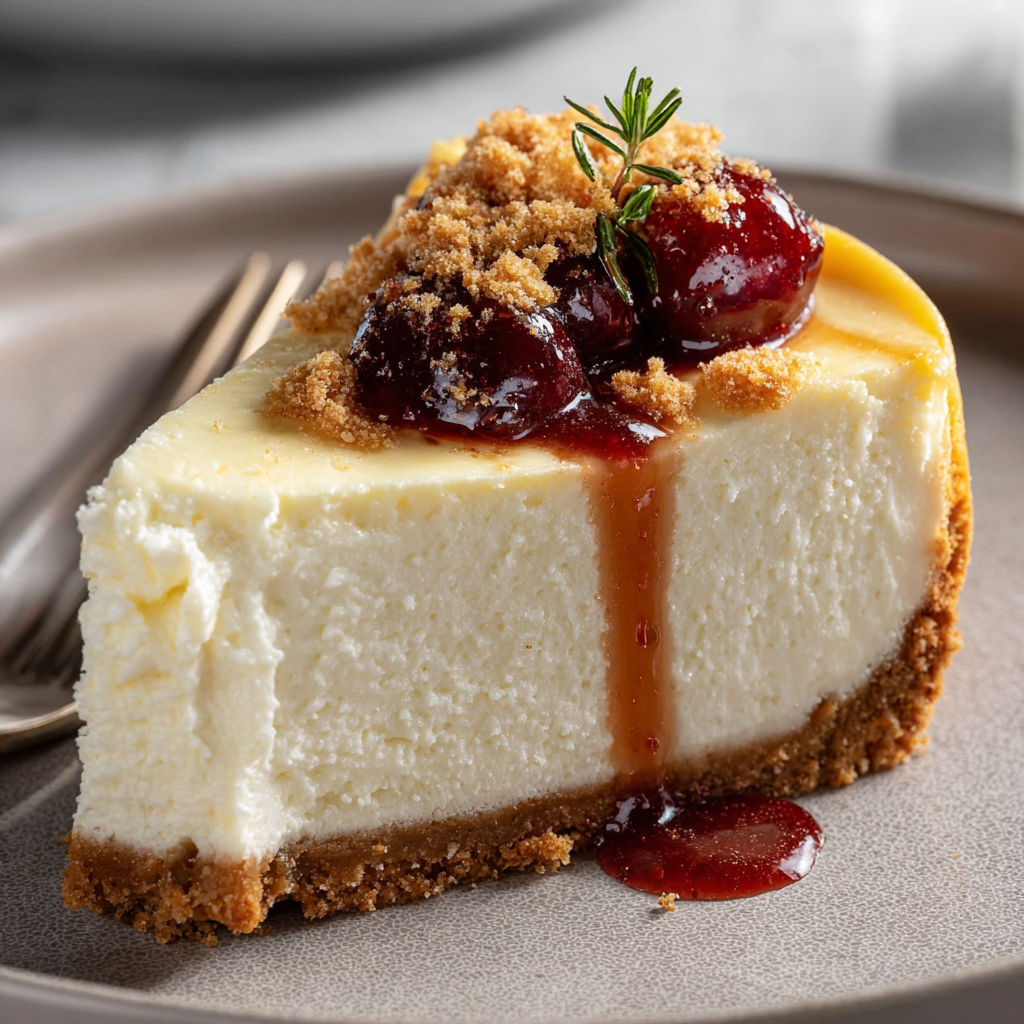
This authentic ricotta cheesecake brings Italian tradition to your table with every creamy, delicate bite. Treat your family and friends to this unforgettable dessert and enjoy the warm memories and compliments that are sure to follow.
Common Questions About This Recipe
- → How do I achieve a smooth cheesecake texture?
Ensure all ingredients, especially the ricotta and eggs, are at room temperature before mixing. Use gentle folding techniques and avoid over-mixing to maintain a creamy consistency.
- → Can I substitute zwieback crumbs with another base?
Yes, plain biscotti or even graham crackers can be used as alternatives for the crust, though zwieback or rusk crumbs offer a traditional flavor and firmer base.
- → What’s the best way to prevent cracks on top?
Baking at a steady, moderate temperature and not overbaking helps minimize cracking. Let the cheesecake cool gradually and avoid sudden temperature changes.
- → Is this dessert freezer friendly?
Absolutely. Slice and wrap portions individually in parchment and foil before freezing. Thaw overnight in the refrigerator for best results.
- → How do I serve ricotta cheesecake with cinnamon crust?
For best flavor, chill thoroughly before serving. Garnish with extra lemon zest or a dusting of cinnamon if desired. Pairs well with coffee or fresh berries.