
 Pin
Pin
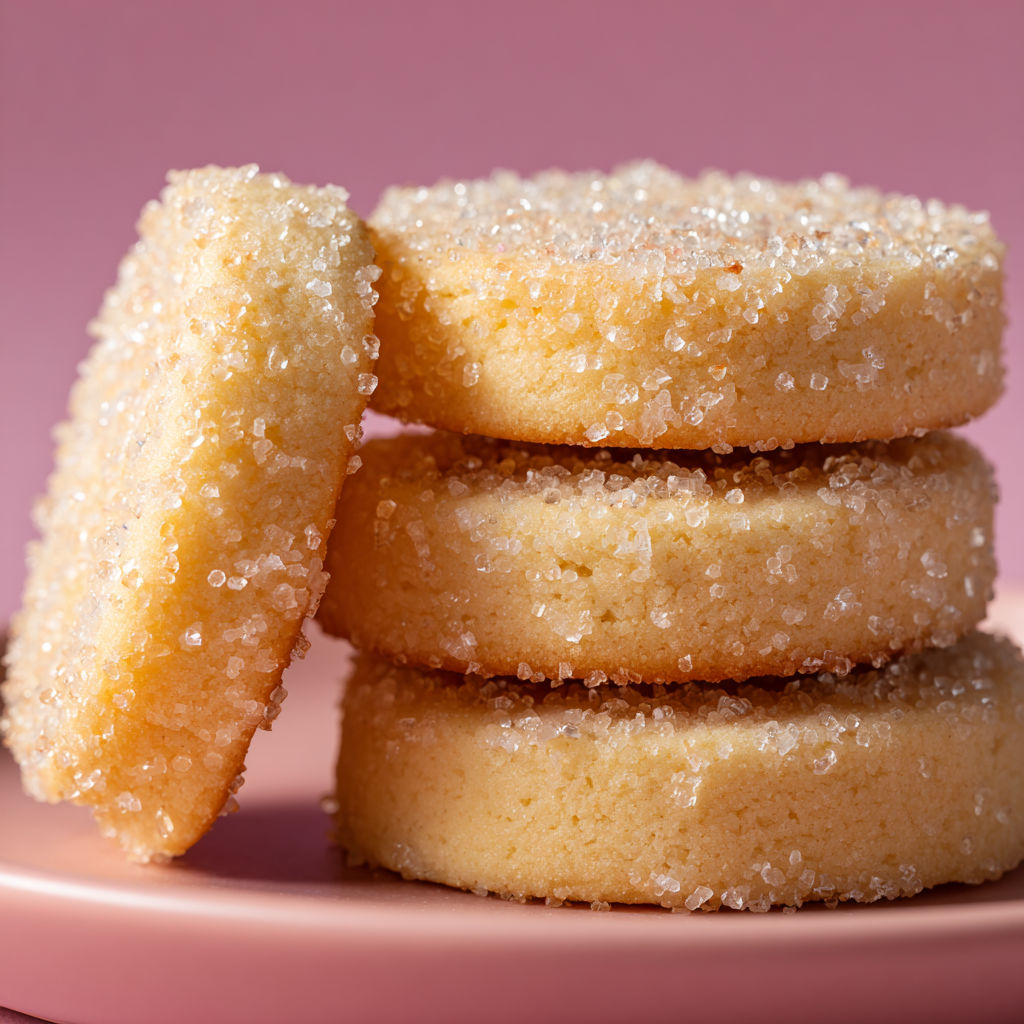
These irresistible French butter cookies, also known as sablés, deliver bakery quality flavor with a crisp, delicate texture in just one hour from start to finish. Perfect for impressing at holiday gatherings or pairing with afternoon tea, this classic French butter cookie recipe uses simple pantry ingredients and is ready in only 30 minutes of prep and 30 minutes of baking. Discover how to make traditional sablés that melt in your mouth, turning any occasion into something special.
My love for French butter cookies began when I was studying pastry in Paris, where a local baker revealed the importance of properly chilling the dough for those signature sandy edges. Over the years, I have made these classic sablés for family holidays and coffee dates, always receiving requests for the recipe. The simple steps and reliable results have made these cookies my go to gift during festive seasons and my secret weapon for effortless entertaining.
Gather Your Ingredients
- All Purpose Flour (French butter cookie base): Forms the structure and gives the signature crisp texture. For more delicacy, try substituting with cake flour, but never use self rising flour as it will alter the classic sablé crumble.
- Unsalted Butter (European style preferred): Contributes rich, authentic flavor. Use high quality butter at room temperature for best results and never substitute with margarine for this traditional recipe.
- Powdered Sugar: Ensures the melt in your mouth texture of every cookie. Sift first for smooth results and avoid granulated sugar substitutes which change the crumb.
- Egg Yolk: Adds richness and helps bind the dough. Always use at room temperature for smooth incorporation and avoid using whole eggs, which will affect texture and color.
- Vanilla Extract (pure): Deepens flavor. Select real vanilla extract rather than imitation and try almond extract for a variation, if desired.
- Granulated Sugar (for coating): Creates a sparkly crust and adds a subtle crunch. Rolling the dough in colored sugar or sprinkles works for festive occasions.
How to Make French Butter Cookies
- Cream the Butter and Sugar:
- In a large mixing bowl, blend the room temperature unsalted butter with sifted powdered sugar for 3 to 4 minutes until very pale and fluffy. This aerates the dough, ensuring light, crisp sablés with every bite.
- Add Egg Yolk and Vanilla:
- Mix in the egg yolk and pure vanilla extract until the dough is glossy and completely smooth. Proper mixing at this stage guarantees uniform flavor and an evenly textured cookie.
- Gently Incorporate the Flour:
- Sift the flour directly into the bowl, and fold in with a spatula or wooden spoon until just combined. Overmixing at this point can make the cookies tough, so stop as soon as the dough holds together and appears soft and slightly sticky.
- Chill and Shape the Dough:
- Divide the dough in half, forming each into a log about 1.5 inches in diameter. Wrap tightly in plastic wrap and refrigerate for at least 30 minutes, or freeze for 45 minutes. Chilling is crucial to manage dough consistency and ensure shaped cookies hold their elegant round form.
- Slice and Bake:
- Preheat your oven to 356°F (180°C) and line a baking sheet with parchment. Roll chilled dough logs in granulated sugar, slice into 1 cm thick rounds, and arrange with 1 inch spacing. Bake for 15 to 18 minutes until edges are just golden and centers remain pale for perfect texture.
- Cool Thoroughly:
- Let cookies rest 5 minutes on the sheet to set, then transfer to a wire rack. They will crisp further as they cool, so patience ensures the signature airy crunch of authentic sablés.
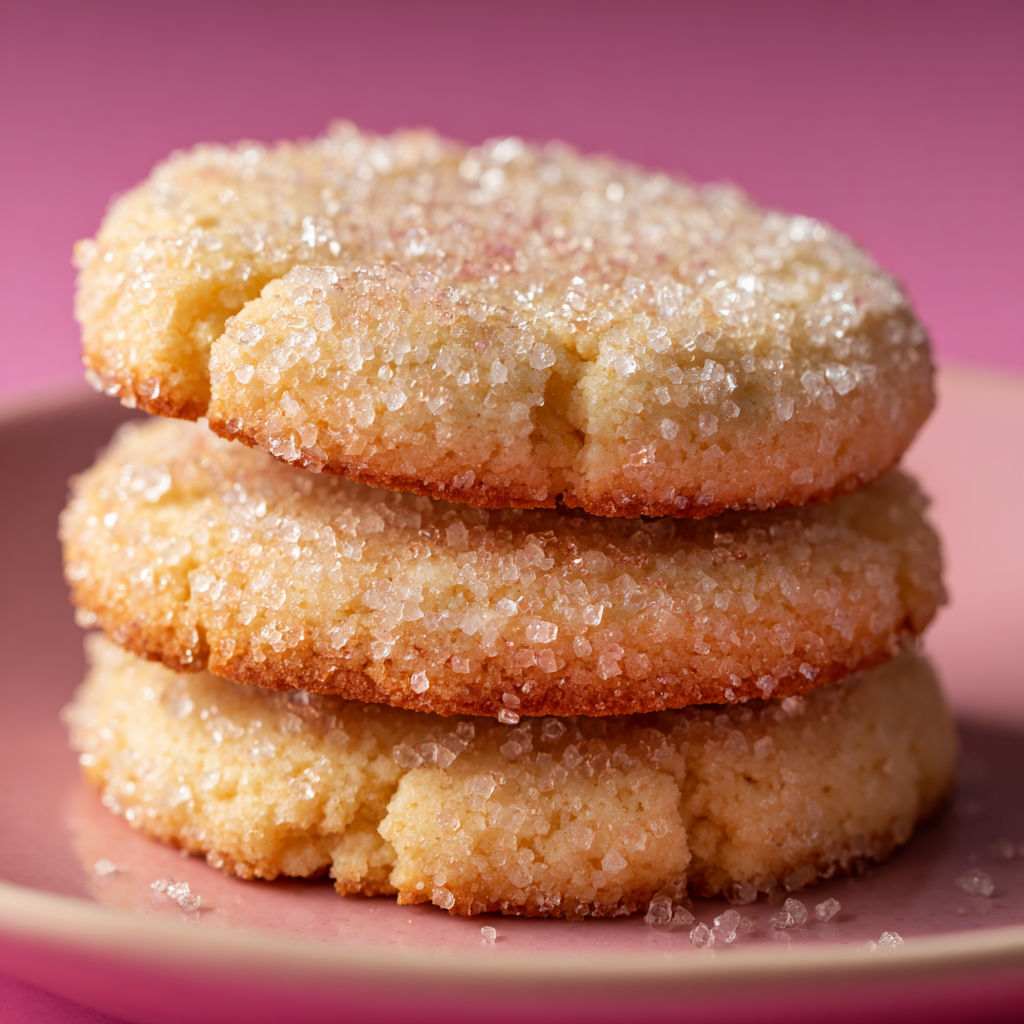
The first time I experienced truly authentic sablés was in a tiny Paris pastry shop, where the baker emphasized chilling the dough after every step. When I followed this advice at home, my cookies finally had that crumbly, sandy texture I had long admired. Now, every time I make them for family gatherings, I am reminded of the joy in sharing simple, perfectly baked treats with those I love.
Smart Swaps and Variations
French butter cookies are wonderfully adaptable, so you can tailor the flavor and appearance to suit any season or preference. For citrusy brightness, add grated lemon or orange zest to the dough. Substitute almond extract and fold in finely chopped almonds for French almond cookies. For a festive touch, roll logs in colored sugar or dip cooled cookies in melted chocolate. Gluten free flour blends can replace all purpose flour if necessary, though the crumb will differ slightly from traditional sablés.
How to Store and Reheat French Butter Cookies
Allow cookies to cool completely before storing. Layer in an airtight container with parchment between rows and keep at room temperature for up to 5 days away from sunlight. Freeze baked cookies in freezer safe containers for up to 3 months. Raw dough logs can be frozen for up to 2 months, wrapped tightly. Thaw frozen cookies at room temperature for best results, and refresh in a 300°F oven for 3 to 5 minutes to revive crispness when serving after storage.
What to Serve with French Butter Cookies
French butter cookies are versatile on a dessert platter. Serve with strong coffee or espresso for a classic French taste. Pair with black tea or herbal infusions for afternoon tea. Arrange alongside fresh berries, chocolate truffles, or seasonal fruits as part of an elegant dessert board. For special gatherings, create a full French dessert spread with crème brûlée, madeleines, and macarons, letting the sablés shine in good company.
Nutritional Benefits
Though an indulgent treat, French butter cookies use recognizable ingredients and avoid preservatives found in store bought cookies. The use of real European style butter provides a satisfying richness, allowing for sensible portion control. Each cookie contains about 182 calories, 5 grams of protein, 38 grams carbohydrates, and 1 gram fat, making moderation easier. The recipe can be easily adjusted for various dietary needs with appropriate substitutions.
Recipe Success Tips
For best results, always chill the dough thoroughly so the cookies retain their round shape as they bake. If cookies spread excessively, increase chilling time. Avoid overworking the dough to prevent dense results. If you notice uneven browning, reduce oven temperature slightly. For dough that crumbles during slicing, let it sit at room temperature for several minutes before continuing. Troubleshooting these minor issues helps guarantee perfect, tender sablés every time.
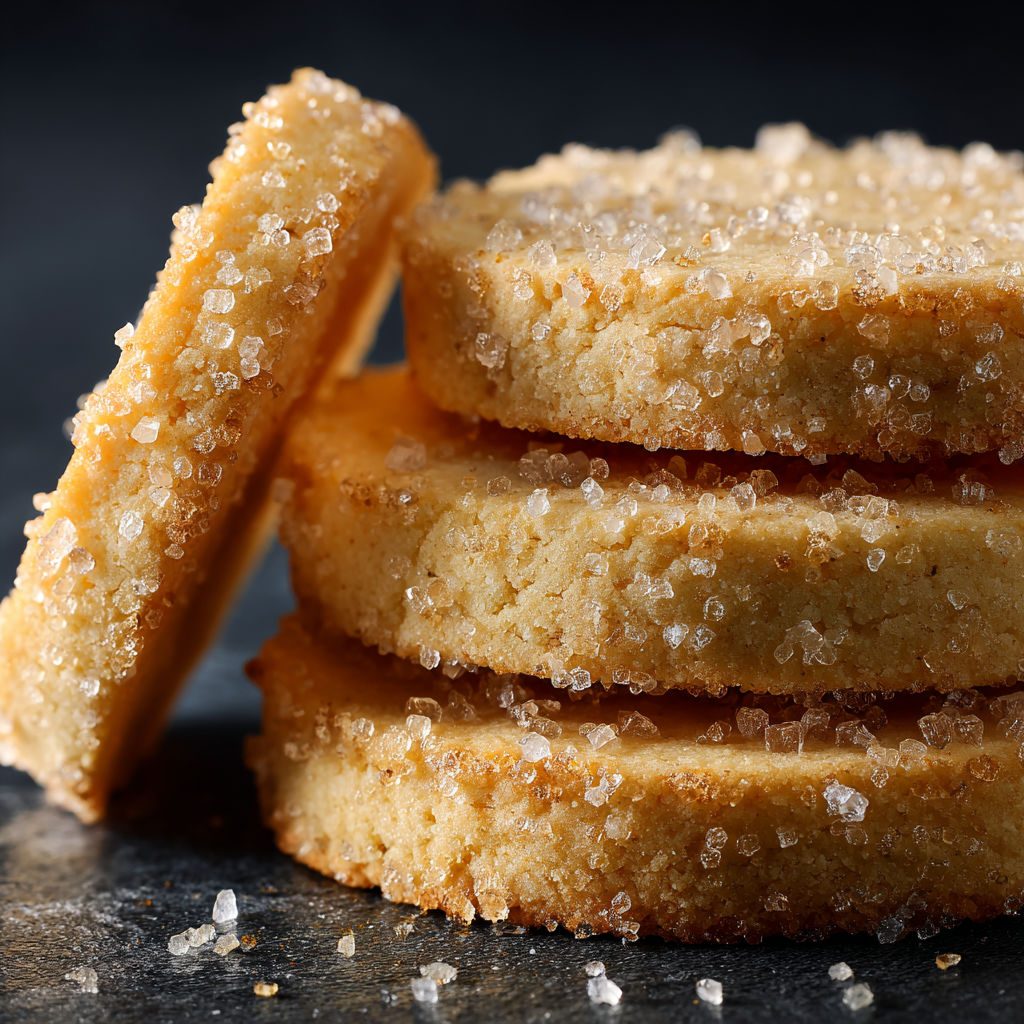
French butter cookies have earned their place as my signature bake, delighting friends and family at every special event. Enjoy baking these classic sablés and let them add a touch of Parisian charm to your next gathering!
Common Questions About This Recipe
- → What type of flour works best for these cookies?
Cake flour, all-purpose, or plain flour all work well, but avoid self-rising flour as it can affect the cookie texture and flavor.
- → Why is chilling the dough important?
Chilling firms up the high-butter dough, making it easier to slice and helps prevent the cookies from spreading too much as they bake.
- → How do you achieve the classic texture?
Creaming the butter and sugar until pale and light incorporates air, resulting in a crisp yet tender cookie once baked.
- → Can I freeze the unbaked dough?
Yes, you can shape and freeze the dough logs, which makes it easy to slice and bake fresh cookies anytime.
- → How should I store the cookies after baking?
Once completely cool, keep them in an airtight jar for up to five days to retain their crispness.